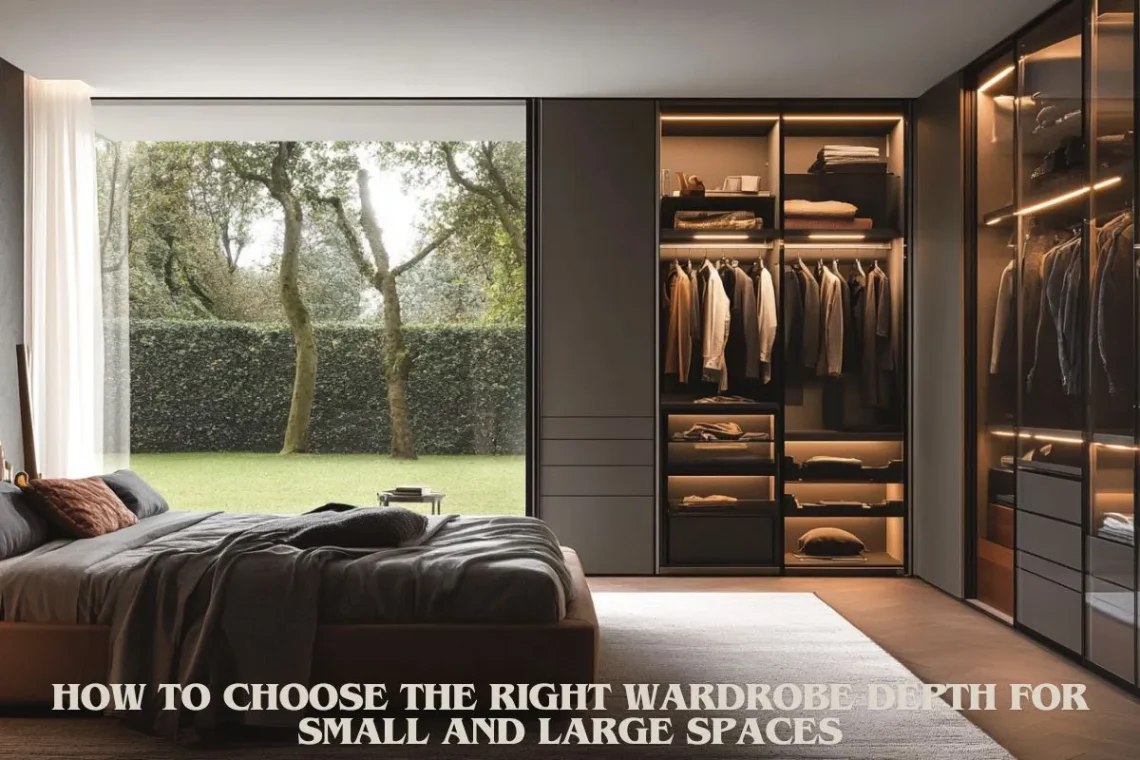
How to Choose the Right Wardrobe Depth for Small and Large Spaces
After two decades of designing bespoke interiors for discerning clients across London and beyond, I’ve learnt that choosing the correct wardrobe depth is rarely about following standard measurements. It’s about understanding your lifestyle, your space, and most importantly, how you actually use your clothing storage. I’ve watched countless clients make costly mistakes by assuming deeper is always better, or conversely, that shallow wardrobes will suffice simply because their bedroom feels compact.
The truth is, wardrobe depth affects everything from how your clothes hang to how your room flows. A poorly planned wardrobe can make even the most beautifully appointed bedroom feel cramped and dysfunctional. In my practice at FCI London, I’ve seen clients struggle with wardrobes that are either so deep they waste precious floor space, or so shallow that hanging a winter coat becomes an exercise in frustration. The key lies in finding that sweet spot where functionality meets spatial harmony. Understanding the right wardrobe depth for your specific circumstances requires careful consideration of both your storage needs and your room’s proportions, which I’ll guide you through in the following sections.
Calculating Depth Requirements for Different Clothing Types
One of the most common misconceptions I encounter is that all clothing requires the same hanging depth. In reality, your wardrobe’s interior configuration should reflect your actual wardrobe contents. For instance, if you’re someone who favours tailored suits or structured blazers, you’ll need a minimum of 60cm depth to accommodate proper hangers without crushing the shoulders. However, if your style leans towards more relaxed clothing, you might manage perfectly well with 55cm.
I always ask my clients to audit their hanging clothes before we finalise any wardrobe specifications. Coats and evening wear require deeper hanging space, whilst shirts and blouses can manage in shallower sections. The clever approach is to design different zones within your wardrobe system. I often specify a deeper section for formal wear and seasonal coats, paired with shallower areas for everyday pieces. This zoning approach prevents you from over-engineering the entire wardrobe when only 20% of your clothing actually needs maximum depth. Consider also how you fold versus hang items. Many of my clients discover they can reduce hanging depth requirements by investing in proper drawer systems for knitwear and casual pieces, creating a more efficient overall storage solution.
Maximising Small Spaces Without Compromising Function
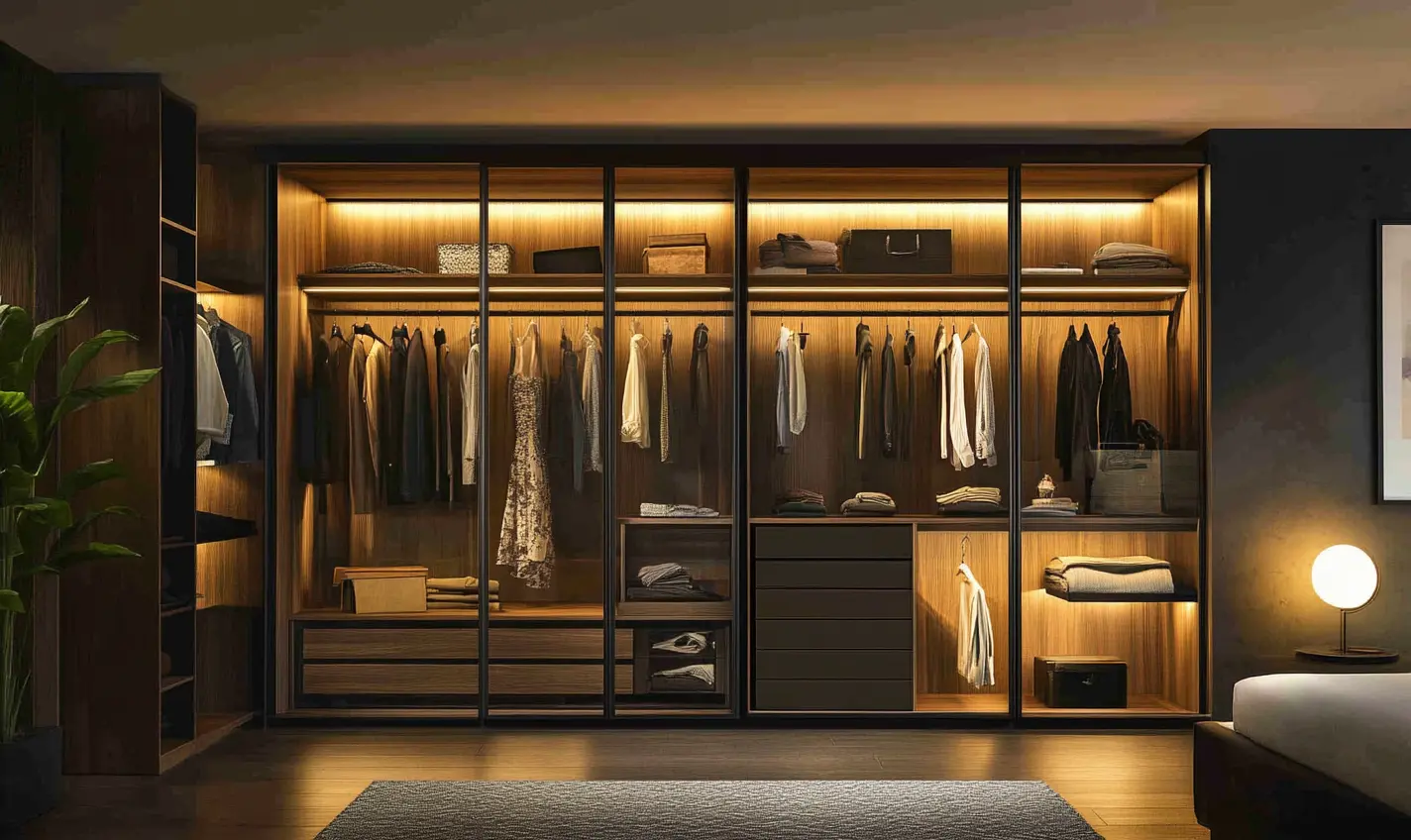
Small bedrooms present unique challenges, but they shouldn’t mean compromising on wardrobe functionality. I’ve successfully installed custom fitted wardrobes into rooms where every centimetre counts, and the secret lies in strategic depth variations and vertical thinking. In compact spaces, I often recommend 50-55cm depth for the main hanging areas, which accommodates most clothing whilst preserving crucial circulation space around the bed.
The key to success in smaller rooms is maximising height rather than depth. Floor-to-ceiling designs create a dramatic impact whilst providing extensive storage without encroaching on your living space. I frequently incorporate varying depths within a single wardrobe run, creating shallow shelving areas for accessories and deeper hanging zones where necessary. One technique I particularly favour involves designing the wardrobe with a stepped profile, where upper sections can be deeper than lower portions, since you’re less likely to bump into them during daily movement. Remember, in small spaces, the visual weight of your wardrobe affects how spacious the room feels. Lighter colours and integrated handles help maintain the illusion of space, whilst the correct wardrobe depth ensures you’re not sacrificing functionality for aesthetics.
Optimising Large Spaces for Luxury and Convenience
Generous bedrooms offer wonderful opportunities for creating truly bespoke wardrobe solutions, but more space doesn’t automatically mean going deeper. In larger rooms, I often design wardrobes with multiple depth zones to create visual interest and maximise storage efficiency. Walk-in wardrobes, for instance, typically work beautifully with 60-65cm hanging depths on the perimeter, whilst central islands can be shallower at 40-45cm for accessories and folded items.
The luxury of space allows for more sophisticated internal layouts. I might incorporate deeper sections for seasonal storage or bulky items, paired with shallower areas for daily-use pieces. This creates a more organised, boutique-like experience where everything has its designated place. Large bedrooms also permit wardrobe systems that extend beyond simple hanging storage. I often integrate seating areas, full-length mirrors, and even small dressing tables within the wardrobe footprint, creating a comprehensive dressing suite. However, even in spacious rooms, I caution against excessive depth purely for the sake of it. Wardrobes deeper than 70cm can actually become less functional, as items stored at the back become difficult to access and are often forgotten. The goal is creating a system that enhances your daily routine, not one that requires archaeological expeditions to find your favourite shirt.
Professional Installation and Long-term Considerations
The difference between a mediocre wardrobe and an exceptional one often lies in the installation quality and future-proofing considerations. When specifying wardrobe depths, I always factor in potential lifestyle changes. Young professionals might initially prefer hanging space, but families often require more varied storage solutions over time. Modular systems that allow for reconfiguration provide excellent long-term value.
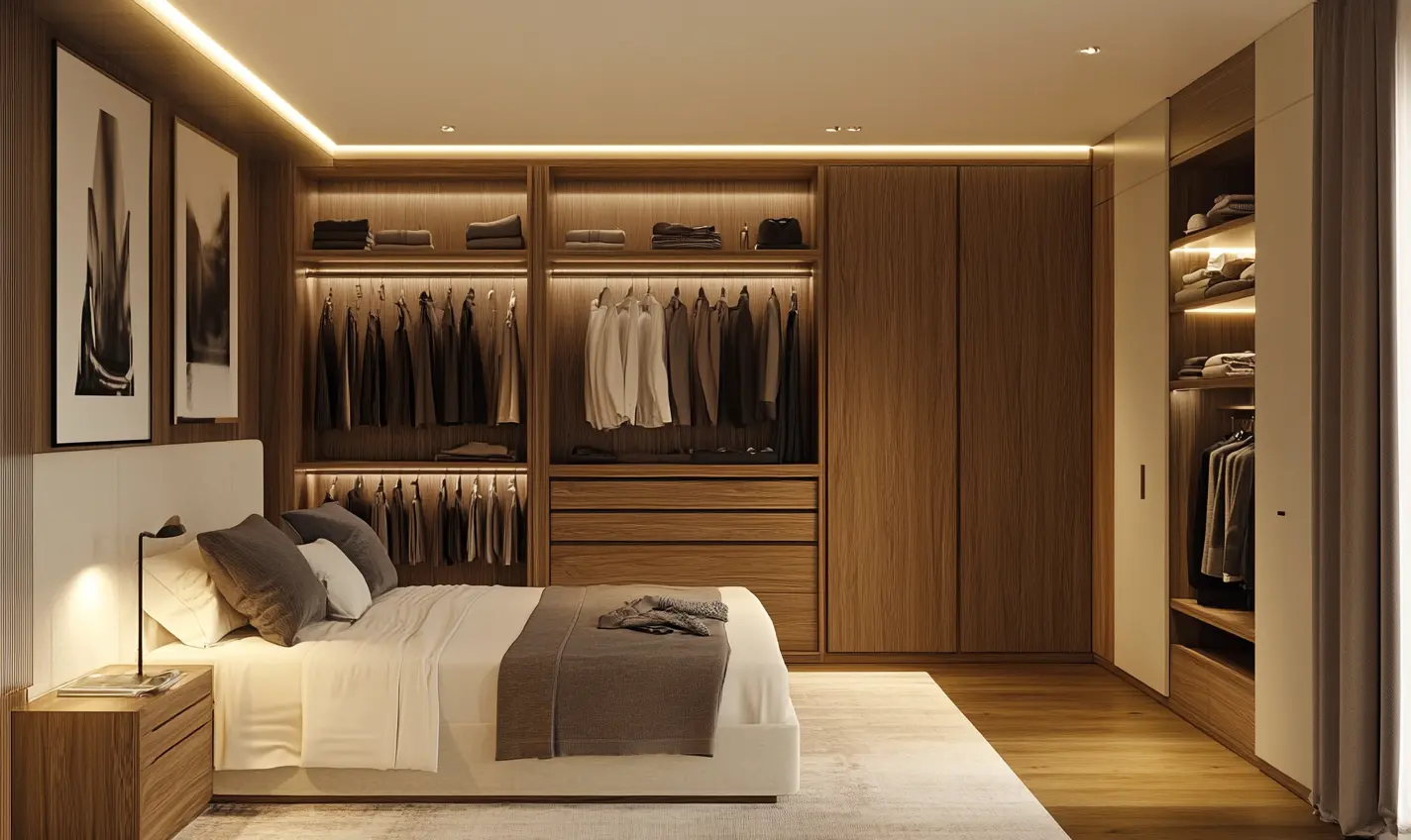
Proper installation is crucial, particularly with deeper wardrobes that carry more weight. I’ve encountered numerous poorly installed systems where inadequate wall fixings led to sagging shelves and misaligned doors. Professional installation ensures your investment performs beautifully for decades. Consider also the relationship between your wardrobe depth and room lighting. Deeper wardrobes require more sophisticated internal illumination to prevent dark corners where items disappear. LED strip lighting integrated into hanging rails and shelving creates a luxurious, functional solution that makes accessing your clothing a pleasure rather than a chore.
If you’re planning a wardrobe project and want expert guidance on creating the perfect storage solution for your space and lifestyle, I’d be delighted to discuss your requirements in detail. Book a showroom visit with our team to explore how we can transform your storage challenges into beautifully crafted solutions.


You May Also Like

What Do Oven Modes Mean?

Rangemaster Cooker Oven Symbols Explained: A Complete Guide to Every Icon and Setting