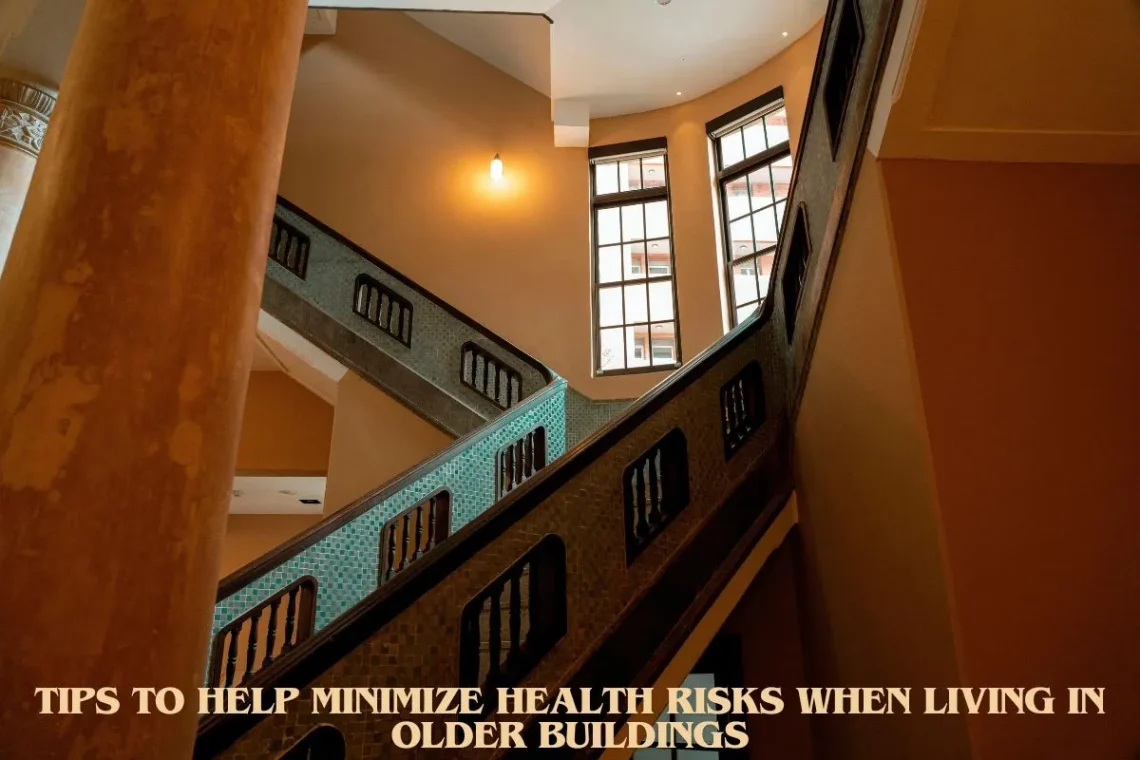
Tips to Help Minimize Health Risks When Living in Older Buildings
Living in an older building can offer charm, character, and a sense of history that newer constructions often lack. However, these benefits sometimes come with hidden health risks. Materials and systems used decades ago may not meet today’s safety standards, and issues like poor ventilation, outdated plumbing, and hazardous substances can pose serious concerns. Understanding these risks and taking proactive steps can help protect your health while preserving the appeal of your home.
Identify Potential Hazardous Materials
One of the most significant health risks in older buildings is the presence of hazardous materials such as asbestos and lead-based paint. Asbestos was commonly used for insulation and fireproofing until the late 20th century, and lead paint was widely applied before being banned in residential settings. Both substances can cause severe health problems if disturbed. If you suspect these materials are present, avoid sanding, drilling, or removing them yourself. Instead, hire certified professionals to conduct inspections and safely handle remediation. This precaution is essential for reducing exposure to harmful particles that can linger in the air.
Improve Indoor Air Quality
Older buildings often have ventilation systems that are outdated or poorly maintained. Dust, mold, and allergens can accumulate over time, leading to respiratory issues and other health concerns. Start by replacing or cleaning HVAC filters regularly and consider installing air purifiers to reduce airborne contaminants. If your building has windows that open, use them to improve airflow when weather permits. For persistent issues like mold growth, address the underlying cause, such as leaks or humidity, rather than relying solely on surface cleaning. Good air quality is a cornerstone of a healthy living environment.
Address Plumbing and Water Safety
Plumbing systems in older buildings may contain lead pipes or fixtures, which can leach harmful substances into drinking water. Corroded pipes can also introduce bacteria and other contaminants. To minimize these risks, have your water tested for lead and other impurities. If tests reveal problems, installing certified filters or replacing outdated plumbing components can make a significant difference. Regular maintenance checks can help prevent leaks and water damage, which often lead to mold growth and structural issues that compromise health and safety.
Stay Informed About Health Risks
Knowledge is one of your best defenses when living in an older building. Familiarize yourself with common hazards and the steps needed to mitigate them. For example, asbestos exposure has been linked to serious illnesses, including mesothelioma. If you or someone in your household is concerned about this risk, seek out mesothelioma resources that provide guidance on prevention, detection, and treatment options. Staying informed empowers you to make decisions that protect your health and well-being, whether that means scheduling professional inspections or advocating for building-wide improvements.
Work with Professionals for Long-Term Solutions
While DIY fixes can be tempting, many issues in older buildings require specialized expertise. Certified contractors, environmental consultants, and licensed plumbers can identify problems that might not be visible to the untrained eye. Professional remediation ensures that hazardous materials are removed safely and that repairs meet current health and safety standards. Investing in expert help may seem costly upfront, but it can prevent long-term health complications and expensive structural damage down the road.
Conclusion
Older buildings offer unique benefits, but they also demand careful attention to health and safety. By identifying potential hazards, improving air quality, ensuring water safety, staying informed, and working with qualified professionals, you can enjoy the charm of your home without compromising your well-being. Proactive measures today can help you create a safe and comfortable environment for years to come.


You May Also Like
How to Prevent Blocked Drains: Expert Tips for Homeowners

How to Know When It’s Time to Replace Your Roof